Bromley High Street Removals with Narrow Access Solutions: A Practical Local Guide
Moving on or near Bromley High Street can be surprisingly tricky. The street is busy, parking is often tight, doorways can be awkward, and a standard removal lorry may simply not be the right fit. That is where Bromley High Street removals with narrow access solutions come in: a carefully planned approach that keeps your move safe, efficient, and far less stressful than trying to force a one-size-fits-all method.
If you are dealing with a flat above a shop, a period conversion, a side alley, a shared entrance, or a loading space that feels just a bit too optimistic, you are in the right place. This guide breaks down how narrow access moves actually work, what to expect on moving day, and how to choose the right setup for your property, your timing, and your budget. Truth be told, a well-planned move in a tight spot can be smoother than a "simple" one with poor planning.
For readers comparing local moving support more broadly, it can also help to explore the full range of removal services in Bromley, especially if your move needs packing help, storage, or a smaller vehicle than usual.
Why Bromley High Street removals with narrow access solutions Matters
Narrow access changes everything. A move that looks straightforward on paper can become complicated the moment a van cannot pull up close enough, a staircase turns sharply, or the pavement is too busy to keep boxes moving safely. On Bromley High Street, those issues are common enough that good planning is not a luxury; it is the difference between a calm move and a frantic one.
This matters for a few simple reasons. First, narrow access creates physical risk. Furniture can be scraped, walls can get marked, and someone carrying a heavy item can lose balance if they have to twist through a tight turn. Second, it affects timing. If every item has to be carried further than expected, loading takes longer. Third, access problems can affect costs, because extra labour, smaller vehicles, shuttle runs, or additional handling time may be needed.
There is also a local reality to consider. High street locations tend to have foot traffic, short loading windows, nearby businesses, and limited space for manoeuvring. Let's face it, nobody wants to block a shop entrance while trying to wrestle a sofa through a narrow doorway at 8:30 on a Monday morning. The best moves around Bromley High Street are the ones planned with the street itself in mind, not just the postcode.
That is why experienced teams usually think in terms of access strategy before they think about box counts. They look at the building layout, the street, the distance from vehicle to door, and whether items need to be broken down or moved in stages. If you want a broader picture of what the area is like for movers and residents, this local Bromley insight piece gives useful background on the character of the area.
How Bromley High Street removals with narrow access solutions Works
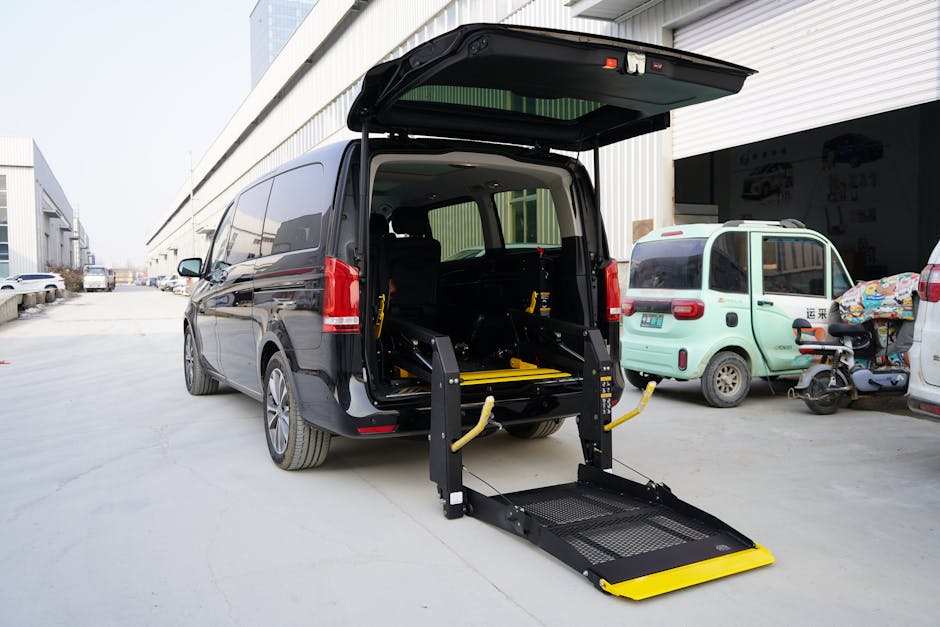
In simple terms, a narrow access move is designed around the route your items will travel, from inside the property to the vehicle and back again. Instead of assuming a large van can park directly outside and make everything easier, the plan adapts to what is actually possible on site. That means choosing the right vehicle, preparing the right equipment, and sometimes using a staged loading method.
A proper narrow access approach usually begins with a visual or verbal access assessment. The mover will want to know about stair width, doorway measurements, lift access, permit restrictions, turning space, parking distance, and whether there are obstacles such as bollards, low branches, or tight corners. If the property is in a flat above a retail unit, or in a converted building with a shared hallway, those details matter a lot more than people first expect.
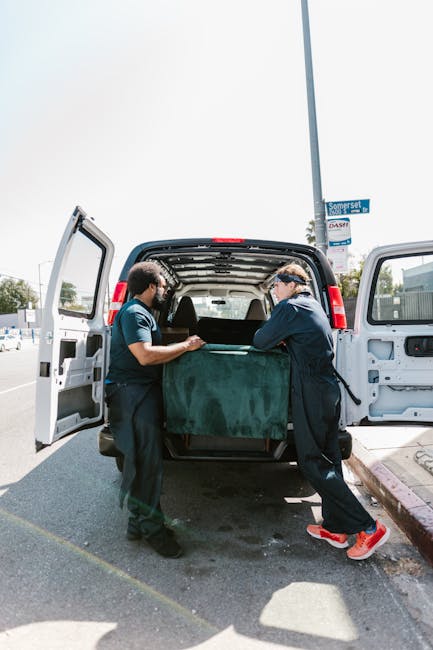
From there, the team decides how to handle the move. Common approaches include using a smaller vehicle, positioning the van at a workable loading point, taking multiple short carries instead of one long one, dismantling bulky furniture, or using protective materials and trolleys to reduce strain. In some cases, the move may be split into several journeys, especially if parking access is limited and loading space is shared with other road users.
It also helps to think about the unpacking side. If your destination has awkward access too, the whole job benefits from planning at both ends. For people moving into a flat or conversion, flat removals in Bromley are often the closest match, because the logistics are similar: stairs, tight turns, and less room for error.
One thing that often surprises people is how much time can be saved by simple preparation. A clear hallway, boxes ready to carry, and furniture already disassembled can make a narrow-access move feel much more manageable. Tiny details. Big difference.
Key Benefits and Practical Advantages
A good narrow access solution is not just about "making it fit." It improves the whole moving experience in ways that are easy to appreciate once you are in the middle of the job.
- Reduced risk of damage: Better control around doorframes, stair corners, and tight corridors means fewer knocks and scrapes.
- Safer handling: Fewer awkward lifts and fewer rushed manoeuvres reduce the chance of injury.
- More efficient loading: The right van size and route plan can prevent unnecessary delays.
- Less stress on moving day: Everyone knows what to expect, which makes the whole process feel calmer.
- Better use of limited parking: In a busy high street setting, smart positioning matters just as much as manpower.
- More realistic cost control: Planning the access properly helps avoid surprise labour extensions or last-minute changes.
There is also a less obvious benefit: narrow access planning helps protect relationships with neighbours, shop owners, and other road users. If you can keep the move tidy, brief, and orderly, people notice. Not always with applause, admittedly, but they do notice. That matters in a busy town centre environment where goodwill counts.
And if you are weighing up whether to move everything at once or part-move with storage, it may be worth looking at storage options in Bromley. For some awkward moves, especially when access is tight at both ends, storage takes a lot of pressure off the day itself.
Who This Is For and When It Makes Sense
This kind of moving setup is ideal for anyone whose property access is limited, awkward, or shared. That includes people moving from upper-floor flats, maisonettes, mixed-use buildings, older terraces, or converted properties where the staircase narrows halfway up and the landing suddenly becomes very ambitious.
It also makes sense if you are:
- moving during a busy high street period where parking is unpredictable
- trying to relocate from a property with no private driveway
- handling heavy or awkward furniture such as wardrobes, beds, or shelving
- moving offices or stock near retail units with restricted loading space
- working to a short access window or same-day timetable
- dealing with both limited access and a large volume of items
Students, landlords, first-time buyers, downsizers, and small business owners all run into this situation more often than they expect. If that sounds familiar, the helpful thing is not to assume the move will be impossible. It usually isn't. It just needs the right method. For students in particular, student removals in Bromley can be a practical fit when speed, simplicity, and budget all matter at the same time.
These moves are also common where people have bought a property after reading up on the local market. If you are still in the decision stage, this guide to purchasing property in Bromley and the Bromley real estate overview can be useful background, especially if access and layout are part of your property search.
Step-by-Step Guidance
A narrow-access move becomes much easier when you treat it as a sequence, not a single event. Here is the basic flow that works well in practice.
- Assess access honestly. Measure the staircase, check the doorway widths, note any shared corridors, and think about parking distance. If a sofa needed a bit of squeezing to get in, it will probably need a bit of planning to get out.
- Describe the street conditions. Mention parking restrictions, busy delivery times, one-way routes, and anything unusual near the entrance.
- Choose the right vehicle. A smaller van often makes more sense than a large removal lorry for Bromley High Street properties.
- Break down bulky items. Beds, tables, and wardrobes are usually easier to move if dismantled beforehand.
- Protect walls and floors. Good padding, blankets, and careful handling reduce damage in tight areas.
- Stage the load. Putting boxed items near the exit in advance can save lots of back and forth.
- Confirm timing and parking plans. This is the bit people sometimes skip. Don't.
- Leave buffer time. A narrow-access move often takes longer than a standard one, even when it goes well.
A realistic example: imagine you are moving out of a first-floor flat above a shop on a Saturday morning. The road is busy, the loading space is short, and the stairwell has a sharp turn halfway down. The smoothest approach is usually a smaller van parked as close as possible, furniture partly dismantled, and boxes carried in a steady sequence rather than rushed in one giant push.
If you are arranging the move through a wider local service, it may help to review man with van Bromley or removal van Bromley options, depending on how much you need shifted and how tight the access is. Different jobs, different tools. Simple, really.
Expert Tips for Better Results
Most access problems are solved long before moving day. That might sound obvious, but honestly, it is where the best results come from.
- Send photos of the entrance and staircase. A couple of clear images can help identify obvious issues early.
- Keep a clear path indoors. Shoes, plant pots, laundry baskets, random bits of furniture - all of that slows things down.
- Use uniform box sizes where possible. Standard boxes stack better and carry more safely through tight spaces.
- Label awkward items early. "Fragile," "heavy," or "needs dismantling" saves a lot of guessing.
- Schedule around traffic if you can. Mid-morning or early afternoon may be more workable than the school-run rush or late retail delivery periods.
- Keep key tools to hand. Tape, a screwdriver set, protective wrap, and gloves all matter more than people think.
One of the biggest wins is being realistic about what can be moved whole and what should be broken down. A wardrobe that technically fits through the door can still be a terrible idea if the route involves two corners, a narrow landing, and a sharp set of steps. Just because it can be done does not mean it should be.
If you are moving a few particularly awkward pieces, such as a piano or large cabinet, it is worth looking at specialist handling instead of forcing the job into a standard move. You can see how that type of expertise is presented on piano removals in Bromley and furniture removals in Bromley. Different items, different handling. No mystery there.
Common Mistakes to Avoid
Most problems on narrow-access moves come from assumptions. People assume the van will park outside. They assume the sofa will fit. They assume the move will take the same time as a standard house clearance. Usually, at least one of those assumptions is wrong.
- Underestimating walking distance: A 20-metre carry can feel a lot longer when you are on your third trip with a bulky chest of drawers.
- Ignoring access at both ends: It is not enough to think about the current address. The destination matters just as much.
- Not checking parking restrictions: A vehicle that cannot stop legally or safely near the property creates instant delays.
- Leaving dismantling too late: If it has to come apart, do it before the van arrives if possible.
- Mixing fragile and heavy items: This is a classic mistake and, yes, people still do it.
- Forgetting building rules: Shared entrances, concierge arrangements, lift booking rules, and access hours can all affect the job.
Another common issue is trying to save time by overloading boxes. In tight stairwells, heavy boxes are harder to balance and much more tiring to carry. Smaller, well-packed boxes are usually better than heroic overstuffed ones. Your back will thank you later.
And please, if a mover asks for details, do not downplay the awkward bits. "It's a little tight" can mean very different things to different people. Better to be a bit over-specific than to discover the landing is basically a geometry puzzle.
Tools, Resources and Recommendations
Good narrow-access moving is part planning, part equipment, and part common sense. You do not need a warehouse full of kit, but a few items make a real difference.
- Protective blankets and wrap: Useful for doors, walls, frames, and furniture edges.
- Furniture straps: Help keep items secure during lifting and carrying.
- Dismantling tools: A basic screwdriver set, Allen keys, and a tape measure are often enough.
- Heavy-duty boxes: Stronger boxes reduce collapse risk when carrying items through narrow access points.
- Hand truck or sack trolley: Helpful for longer carries, as long as the route is suitable.
- Floor protection: Especially useful in shared entrances and hallways.
For people still in the packing stage, packing and boxes in Bromley can be a good starting point, and if you prefer a simpler all-in-one approach, package and boxes Bromley offers a broader packaging-related route. It is the small prep that keeps the bigger move under control.
If you are comparing moving styles, man and van Bromley and man with a van Bromley can be useful options for smaller loads, while house removals Bromley is more relevant if the job is larger but still needs a flexible vehicle strategy.
Law, Compliance, Standards, or Best Practice
For removals, the key compliance issue is usually not some dramatic legal twist; it is safe, lawful, and considerate operation. That means staying within parking rules, protecting people in shared spaces, handling items safely, and being clear about responsibilities before the move begins.
In practical terms, best practice usually includes the following:
- using appropriate lifting techniques and enough people for heavy items
- keeping entrances and fire routes clear where possible
- checking whether access times are restricted by the building or landlord
- protecting shared surfaces, especially in flats and mixed-use buildings
- making sure insurance expectations are understood in advance
For many customers, insurance and safety are the things they most want clarity on, and understandably so. If you are comparing providers, it is sensible to review insurance and safety information and the company's approach to health and safety. Those pages help set expectations before anything is lifted, which is exactly how it should be.
There are also standard consumer expectations around transparency, payments, and service terms. If you want to understand the broader framework before booking, it is worth reading the company's terms and conditions, payment and security, and privacy policy. Nothing fancy. Just sensible due diligence.
If sustainability matters to you, especially for a move that might generate surplus packing material, the recycling and sustainability approach is also worth a look. Small decisions add up, and waste piles up faster than you think during a move.
Options, Methods, or Comparison Table
Not every narrow access move should be handled in the same way. The right method depends on volume, access, timing, and how much flexibility you have on the day.
| Method | Best for | Strengths | Trade-offs |
|---|---|---|---|
| Smaller van with short carries | Flats, single households, light-to-medium loads | Easier parking, simpler street access, faster manoeuvring | May require more trips if the load is large |
| Standard removals vehicle with staged loading | Moderate moves where access is tight but manageable | Good balance of capacity and efficiency | Needs more careful coordination |
| Multiple-vehicle or shuttle approach | High-volume moves with limited road access | Flexible when parking is poor or loading is restricted | Can take longer and need more planning |
| Part-move with storage | Complex access, delayed completion, or downsizing | Reduces same-day pressure and keeps clutter down | Adds an extra handling stage |
For a smaller or more flexible job, local pages such as removals Bromley and removal services Bromley are useful ways to think about the broader service structure. If it is a business move rather than a home move, then office removals Bromley may fit better.
Case Study or Real-World Example
Here is a realistic scenario. A small household is moving out of a first-floor flat on a Bromley High Street side road. The flat has a narrow staircase, the building shares a front entrance with another tenant, and the road outside has limited stopping space because of delivery traffic. The owners also have a dining table that will not make the turn on the staircase unless it is dismantled.
The move works best when the team does three things well. First, they send a smaller van rather than trying to force a large lorry into a poor loading position. Second, they dismantle the table and wrap the edges before moving day. Third, they stage boxes near the exit so the carry distance is predictable and quick.
What made the biggest difference, interestingly, was not brute force. It was timing. The job started just after the busiest morning delivery window, which meant less pressure at the entrance and fewer awkward moments with passing pedestrians. By early afternoon, the property was clear and the last items were loaded without drama. Not glamorous, but very effective.
This sort of move is also where a responsive local provider can help if plans change. If you end up needing a quicker turnaround than expected, same day removals Bromley can be relevant, although it is always better to plan ahead when access is tight. Emergency moves are manageable. Calm moves are nicer, though.
Practical Checklist
Use this checklist to avoid the usual access headaches before moving day arrives.
- Measure doorways, stairwells, and key turning points.
- Take photos of the entrance, hallway, and parking area.
- Confirm whether any permits or loading restrictions apply.
- Book the right size vehicle for the street and the property.
- Dismantle large furniture before the move where possible.
- Pack heavy items into smaller boxes.
- Keep walkways clear inside the property.
- Protect corners, door frames, and floors.
- Tell the moving team about shared entrances or neighbour access.
- Leave extra time for loading and unloading.
Quick expert summary: the best Bromley High Street narrow-access moves are not the ones that rely on luck; they are the ones that treat access as a project. When you plan the route, the vehicle, and the packing together, the whole job gets calmer. And calmer is better. Every time.
For a straightforward next step, you can review the company background on about us, then get in touch through the contact page if your move needs a tailored access plan.
Get a free quote today and see how much you can save.
Conclusion
Bromley High Street removals with narrow access solutions are really about thoughtful planning. When the street is busy, the entrance is tight, or the building layout is awkward, the right approach turns a stressful day into a workable one. The essentials are simple: assess access honestly, choose the right vehicle, pack in a sensible way, and leave room for the unexpected.
If you remember one thing, make it this: tight access does not mean a difficult move is doomed. It just means the move needs skill, patience, and a bit of local know-how. That is usually enough to make the difference.
And once the last box is through the door and the kettle is on, the whole thing feels a lot smaller than it did in the moment. Funny how that works.
Frequently Asked Questions
What counts as narrow access on Bromley High Street?
Narrow access usually means the vehicle cannot park right outside the property, or the entrance, stairs, hallway, or turning points are tight enough to make standard removals slower or riskier. It can also include shared entrances and limited loading space.
Can a removals van actually work on Bromley High Street?
Yes, but the van size and parking plan need to match the property. In many cases, a smaller van or a staged loading method works better than trying to force a large vehicle into a poor stopping position.
Do I need to dismantle furniture before the move?
Often, yes. Bulky furniture is much easier to move through narrow stairs and doorways when it is partly dismantled. Wardrobes, bed frames, and large tables are the usual candidates.
How do I know if my property access will be a problem?
If you have tight staircases, no driveway, restricted parking, or a flat above a shop, there is a good chance access needs attention. Photos and measurements usually make this clear very quickly.
Will a narrow access move cost more?
It can, depending on the extra time, labour, vehicle changes, or number of trips needed. The best way to control cost is to describe the access accurately before booking.
What should I tell the moving team before moving day?
Tell them about parking, stairs, lifts, loading restrictions, shared entrances, bulky items, and any timing issues. The more concrete the information, the better the plan.
Is narrow access the same as a flat move?
Not exactly, but the two often overlap. Many flat moves involve narrow access, especially in converted buildings or upper-floor properties. That is why flat-specific planning is often useful.
What if I only have a small amount to move?
A smaller load is often ideal for a narrow-access property because it reduces handling time and makes manoeuvring simpler. A man-and-van style setup may be enough for lighter moves.
Can storage help with awkward access?
Yes. If your move is split across dates, or if the access at one end is especially difficult, storage can reduce pressure and make the whole move much more manageable.
What are the biggest mistakes people make with tight access moves?
The biggest mistakes are underestimating walking distance, forgetting parking restrictions, leaving dismantling until the last minute, and not sharing enough detail about the property layout.
How far in advance should I plan a narrow access move?
As early as possible. Even a few extra days helps when parking, building access, or timing needs to be coordinated. For busy periods, earlier is always better.
What if I need to move quickly because my plans changed?
Same-day or short-notice help may be possible, but it works best when the access details are clear from the start. If the move is urgent, being specific about the street and property layout matters even more.